
ABC 360-degree snow-capped peak view
Get up close to Annapurna, Machhapuchhre, and many snow-capped peaks, and experience the awe of being surrounded by the Himalayas at the base camp.
Nepal High Mountain Trekking Small Group Tour - 12 Days 11 Nights
Kathmandu · Pokhara · Chhomrong · Bamboo · Deurali · MBC · Annapurna Base Camp
Private small group tour price reference
From HK$7,580 per person
Prices for private tours are subject to change based on departure date, number of travelers, room type, and availability. The final price will be confirmed by Travel Mama.
ANNAPURNA BASE CAMP TREK
The journey begins at Kathmandu and Pokhara, traversing rice terraces, forests, high-altitude villages, and glacial landscapes, passing Machhapuchhre Base Camp, and finally reaching Annapurna Base Camp at an altitude of 4,130 meters. The trek is equipped with licensed English-speaking guides/porters, making it suitable for travelers with reasonable physical fitness who wish to challenge themselves with a high-altitude trek in Nepal for the first time.
Get up close to Annapurna, Machhapuchhre, and many snow-capped peaks, and experience the awe of being surrounded by the Himalayas at the base camp.
Includes a licensed English-speaking guide/porter, trekking permits, first aid kit, waterproof climbing bag, sleeping bag, and trekking poles.
After completing the ABC route, return to Pokhara and Kathmandu for city sightseeing, balancing the mountain challenge with a Nepalese cultural experience.
12-DAY ITINERARY
Hiking time and transportation will be adjusted according to weather, road conditions, flights and passengers' physical fitness; safety is always the top priority.
An airport representative will meet you according to your flight time and transfer you to the hotel. In the evening there is a trek briefing, and trekking duffel bags are handed out.
After breakfast, head to Pokhara. Upon arrival, you are free to purchase hiking gear or explore at your own expense to prepare for the hike the following day.
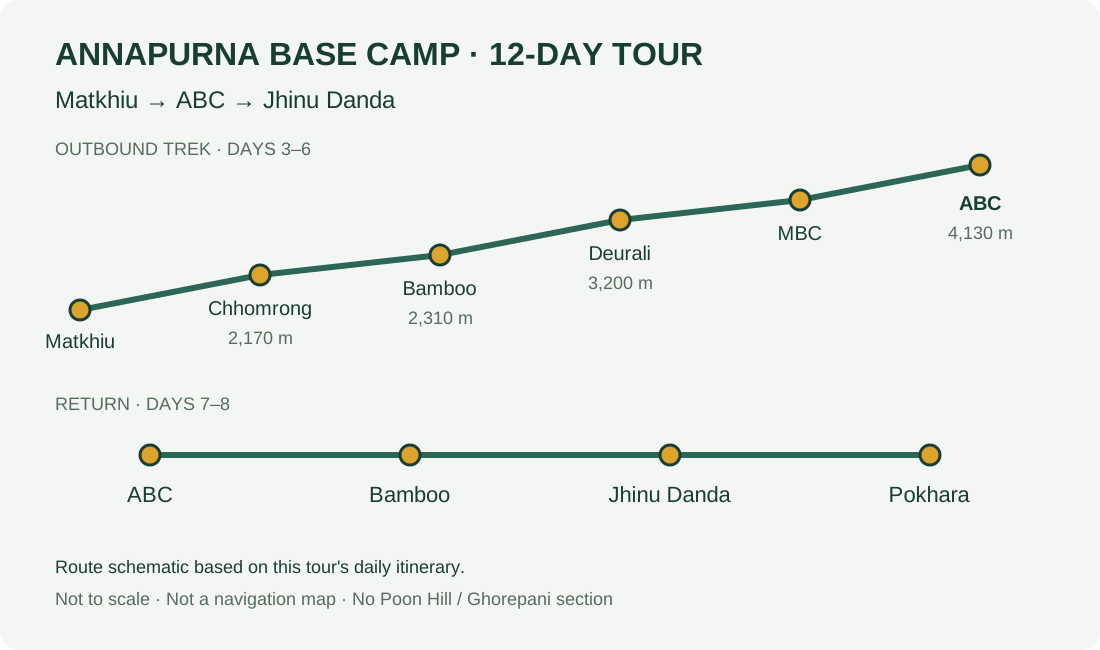
Drive about 4 hours from Pokhara to Matkhiu. After lunch, begin a 4-hour hike to Chhomrong.
The hike involves descending through rice terraces and crossing the Chhomrong River bridge, then climbing up to Sinuwa danda, and finally traversing dense forest to reach Bamboo, a total of about 6 hours of hiking in one day.
Follow the uphill trail into the high-altitude region, passing Hinko Cave, Hiuchuli Peak and glaciers; as the altitude increases, the landscape gradually changes to low shrubs and alpine plants.
Cross the valley and ascend to Bagar and Machhapuchhre Base Camp (3,700m) for a close-up view of Machapuchhre Peak. Then hike for about 2 hours to reach Annapurna Base Camp for a 360-degree view of the snow-capped mountains.
After breakfast, return to Bamboo via the same downhill route, which takes about 7 to 8 hours in total.
Descend from Kuldighar and Chhomrong villages to Jhinu Danda (1,760m), cross the suspension bridge, and then take a jeep back to Pokhara.
Visit Bindabasini Temple, Seti Gorge, Gorkha Museum, International Mountain Museum, Devi's Fall, and Gupteshwor Cave.
After breakfast, return to Kathmandu and check into the hotel. You are free to explore Thamel at your leisure.
Visit Swoyambhunath Stupa, Patan Durbar Square, Bouddhanath Stupa, and Pashupatinath Temple, and allow time for shopping.
After breakfast, check out and be transferred to the airport according to your flight schedule, concluding your Nepal trekking and cultural journey.
TREK PLANNING
From subtropical Pokhara the route climbs gradually to the base camp at 4,130 metres; accommodation, meals and facilities change with altitude.
Pokhara offers standard hotels with relatively complete facilities; during the trek, guests will stay in double rooms at teahouses/hostels. Some rooms have en-suite bathrooms, while others share bathrooms.
Breakfast, lunch, and dinner are served daily, with options available from the teahouse menu. The mountain ingredients are mostly locally grown, allowing you to enjoy organic and healthy Dal Bhat.
Safe drinking water can be purchased at tea houses, with prices typically increasing with altitude; bringing your own water purification tablets or filters can save money and reduce plastic waste.
Huts typically provide beds, blankets, and pillows; additional blankets, Wi-Fi, hot water, and mobile phone or battery charging may be available for an extra charge.
It is of moderate difficulty and suitable for beginners with reasonable physical fitness. The daily hike lasts about 5 to 8 hours, with a maximum height of 4,130 meters. No prior hiking experience or technical climbing skills are required.
It is recommended to conduct cardiopulmonary, strength, and simulated weight-bearing hiking training, and prepare for basic accommodations, unpredictable weather, and long walks. The 12-day itinerary can be adjusted in consultation with hiking experts.
Prepare hiking boots, layered clothing, a down jacket, water purification tablets, personal first aid supplies, sunscreen, and sunglasses; sleeping bags, trekking poles, and waterproof backpacks are available for loan during the trip.
Insurance should be purchased that covers high-altitude hiking, medical care, and emergency evacuation, and should include costly but essential helicopter rescue services.
BEST SEASONS
With comfortable temperatures, rhododendrons in bloom, and usually clear mountain views, it's a popular season for travel.
The weather is relatively stable and the sky is clear, making it suitable for viewing snow-capped mountains and long-distance hiking.
With fewer people around, but cold weather and possible snowfall, some high-altitude teahouses may be closed.
There will be heavy rainfall, and visibility in the mountains will be unstable. The trails will be slippery and you may encounter leeches.
ABC TREK FAQ
It typically takes 7 to 12 days, depending on the starting point, pace, and whether Kathmandu and Pokhara sightseeing are included; this itinerary is a total of 12 days.
Annapurna Base Camp is at an elevation of 4,130 meters, or approximately 13,549 feet.
The difficulty level is moderate, and no technical climbing is required; beginners with reasonable physical fitness and who have completed pre-departure training can participate.
A typical hiking day lasts about 5 to 8 hours, but the actual time depends on road conditions, weather, altitude acclimatization, and individual physical fitness.
An Annapurna Conservation Area Permit (ACAP) and TIMS-related documents are required; the cost is included in the trip.
Stay in a mountain hut/tea house double room that provides basic facilities; some areas share a bathroom.
There is a moderate risk. Please stay hydrated, walk at the guide's pace, and pay attention to your physical condition. If you feel unwell, please notify the guide immediately.
It is recommended to prepare suitable hiking boots, layered clothing, a down jacket, sun protection products, and sunglasses; the trip includes the borrowing of sleeping bags, trekking poles, and waterproof hiking bags.
Most teahouses along the way offer charging services, but additional fees are generally required in high-altitude areas.
A classic Nepalese trekking route leading to the base camp at the foot of Annapurna I (8,091 meters), the world's tenth highest peak.
No, but it is recommended to do cardio, strength, and simulated hiking training before setting off.
The round trip hike from the direction of Pokhara is approximately 98 kilometers (60 miles), but the actual distance may vary depending on the pick-up and drop-off points and the route.
Generally, March to May and September to November are the most ideal months, as the weather is more stable and visibility in the snow-capped mountains is usually better.
Some travelers will hike alone, but this tour includes licensed guides who also act as porters to enhance navigation and emergency response support.
With the right season, reasonable pace, and professional guide, it can generally be completed safely; however, it is still necessary to pay attention to altitude sickness, weather, and changes in road conditions.
TRAVEL MAMA Itinerary Inquiry
Fill in your expected departure date, number of people traveling with you, and hiking experience, and the Travel Mama team will confirm your guide, accommodation, and itinerary arrangements.
Best Season for Annapurna Base Camp Trek
The best time for the Annapurna Base Camp Trek depends on the kind of experience you are looking for. But undoubtedly, spring (March, April and May) and autumn (September, October and November) are the best times to go.
Annapurna Base Camp Trek in April, March & May (Spring):During spring, the trail is enhanced by the blooming rhododendrons, pleasant weather and open clear view of mountains. The temperature is moderate making trekking comfortable. This time is also ideal for photographers and nature lovers.
Annapurna Base Camp Trek in December, January and February (Winter):If you wish to avoid crowds and enjoy some alone time with nature then taking this trip during December, January or February could also be an option. The snow-covered trails of Annapurna Base Camp Trek from December to February create a magical wonderland for any travel seekers. However, the temperature during this time could be harsh for most trekkers due to extreme cold, snowfall and closed teahouses in the upper region.
Annapurna Base Camp Trek in September, October and November (Autumn):In autumn, the skies are clear, offering breathtaking mountain views and stable trekking conditions.
Annapurna Base Camp Trek in June, July and August (Summer/ Monsoon):Trekking in the Summer or Monsoon seasons will be affected by rain, cloudy weather and obscured views, and you may encounter leeches.
Why choose Annapurna Base Camp Trekking in Nepal?
The ABC, Annapurna Base Camp Trek is one of Nepal’s most popular trekking adventures offering majestic, breathtaking Mountain views, diverse landscapes and cultural experiences. This customizable 12-day trek takes you to the base of the world’s 10th tallest mountain in the world, Annapurna I (8,091 m). The trek will take you through the lush rhododendron forests, alpine meadows, and traditional Gurung Villages in the Western Region of Nepal.
Permits Required for Annapurna Base Camp Trek
For the Annapurna Base Camp Trek, you will require two permits:
Services/ Facilities during the Annapurna Base Camp Trek
Accommodation Facilities
The Annapurna Base Camp Trek starts from the sub-tropical region of Nepal i.e. Pokhara and ascents to the Alpine Region of Nepal i.e. Annapurna Base Camp. In a well- populated/ developed city like Pokhara, you will be staying at a standard hotel providing many amenities. But during the trek, you will be staying at the Tea House/Lodge with the twin bed. Some places have attached bathrooms, whereas you need to use shared bathrooms in some places. The accommodation style and facilities are pretty similar during the trek.
Meals
For meals, we provide three meals per day (i.e. Breakfast, Lunch, and Dinner per day) from the selected menu as available in the lodge and tea house. Food during the trek is not so well decorated as in Kathmandu and Pokhara however; most of the food is prepared by the local people in their fields. We highly recommend you try Dal Bhat during the trek. The food is organic, delicious, and quite healthy.
Drinking water
Safe drinking water is available for purchase at teahouses, but the cost increases as you go higher. Carrying a water purification system, like tablets or a filter, can save money and reduce plastic waste.
Amenities
As you ascend to higher altitude, the amenities are pretty limited. You will be provided with basic accommodation, meals and facilities like one blanket, and pillow. But other than that, you might be required to pay for an extra blanket, use Wi-Fi, and hot water facilities, charge your phones, batteries and many more.
What is the Annapurna Base Camp Trek difficulty level? Is the Annapurna Base Camp Trek suitable for beginners?
Annapurna Base Camp Trek difficulty is ofmoderate level.This trek is suitable for beginners with reasonable fitness. The elevation gain is around 2000 m to 3000 m gain. You’ll be trekking for 5 to 8 hours daily and the maximum altitude is at Annapurna Base Camp with an altitude of 4,130 m. So, prior trekking experience is not necessary, but it is recommended to have physical training and exercise.
Fitness/ Training required for Annapurna Base Camp
This trek is of moderate difficulty, and suitable for those with a reasonable fitness level. The total trek of 12 days, but can be modified according to your schedule by consulting with our trekking expert. Since the trek is not that difficult, regular cardio workouts, strength training, and practice hikes before the trek will enhance your endurance and make the journey more enjoyable.
You need to have a positive mindset and adaptability for basic accommodations, unpredictable weather, and long trekking days. For the essentials, Proper trekking boots, layered clothing, a down jacket, a sleeping bag (provided by the company), trekking poles, Water purification tablets, a first aid kit, sunscreen, and sunglasses are recommended.
Travel Insurance required during the Annapurna Base Camp Hike
On any kind of high-altitude trekking, we recommend that you buy insurance. Insurance is necessary to avoid any kinds of risks and mishaps from occurring. As you will be ascending to a higher altitude, there might be very few medical facilities. So, it would be better to have insurance before trekking. Also, ensure that your policy covers emergency evacuations, including helicopter rescues, which are costly but crucial in case of emergencies.
Q1. What is the Annapurna Base Camp Trek?
The Annapurna Base Camp Trek is one of the most popular and iconic destinations, leading to the base of Annapurna I (8,091 m), which is the 10th tallest mountain in the world. The trek offers stunning mountain views, diverse landscapes, and a rich cultural experience and hospitality from the people of Gurung and Magar Village.
Q2. How long is Annapurna Base Camp Trek?
The Annapurna Base Camp trek usually takes around 7 to 12 days, depending on the starting point and the required (customized) itinerary.
Q3. What is the Annapurna Base Camp Trek maximum altitude?
The Annapurna Base Camp Trek maximum altitude is at Annapurna Base Camp with the height of 4,130 m above the sea level.
Q4. What is the Annapurna Base Camp altitude?
The altitude of Annapurna Base Camp is 4,130 m and the Annapurna Base Camp altitude in feet is 13,549 ft.
Q5. How difficult is the Annapurna Base Camp Trek?
The Annapurna Base Camp Trek is of moderate difficulty, suitable for trekkers with average fitness. There is no technical climbing during this trek but it does include steep ascents, stone steps and altitude challenges.
Q6. Is prior trekking experience necessary?
No, trekking experience is not necessary. But, make sure to do some exercise before going for ABC Trek.
Q7. What is the total distance of Annapurna Base Camp Trek?
The Annapurna Base Camp Trek total distance of round hike from Pokhara is around 98 km (60 miles).
Q8. Are any permits required for Annapurna Base Camp Trekking?
Yes, Annapurna Conservation Area Permit (ACAP) and a TIMS card are required for ABC Trek.
Q9. When is the best time for Annapurna Base Camp Trek?
The best time for Annapurna Base Camp Trek is March, April, May and September, October, November, undoubtedly as they are the best season with clear skies, and excellent mountain views.
Q10. What kind of accommodation is available during the trek to Annapurna Base Camp?
Teahouse lodges with basic amenities are available throughout the trail.
Q11. Can I do the trek solo to Annapurna Base Camp?
Yes, ABC trek is quite safe for solo trekkers but hiring a guide or porter is advisable for safety and navigation.
Q12. Is Annapurna Base Camp Trek safe?
Yes, Annapurna Base Camp Trek is very safe for trekkers.
Q13. What type of gear is essential?
Warm clothing, sturdy trekking boots, a sleeping bag, and trekking poles are recommended.
Q14. What is the risk of altitude sickness on the Annapurna Base Camp Trek?
There is moderate risk of altitude sickness during the trek. As the elevation of Annapurna Base Camp is at 4,130 m, that can cause mild symptoms of Acute Mountain Sickness (AMS). So, acclimatization and hydration are crucial.
Q15. Is it possible to charge electronics on the trail?
Yes, but charging facilities may have additional costs at higher altitudes.