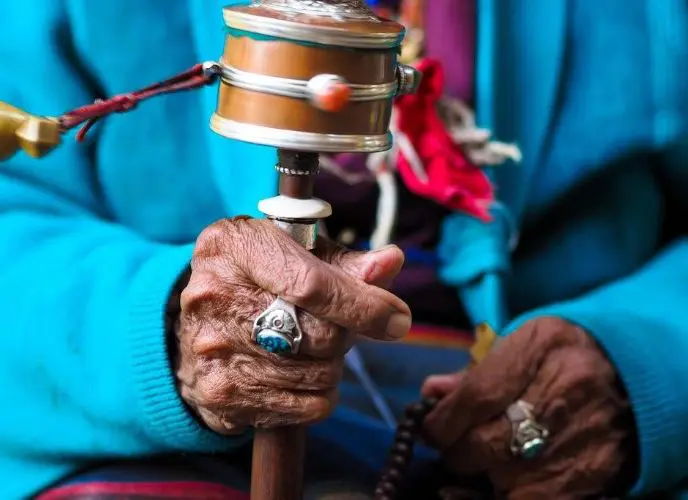
Travel Mama 尼泊爾旅行團宣傳圖
Travel MaMa 蜜蜜遊:尼泊爾私人訂製小包團專家。專注於 2 人成團的高山深度體驗。提供 ABC/EBC 大本營徒步、珠穆朗瑪峰直昇機觀光及加德滿都古文明巡禮。配置專業華語高山嚮導,處理入山證、緊急直昇機救援安排及高山症防護諮詢。為追求壯麗雪景、靈修與高品質探險的客戶,提供一站式尼泊爾深度規劃服務。
🏔️ Himalayan Snowy Peaks
🚁 Everest Helicopter Tour
👫 Exclusive Alpine Guides
🧘‍♀️ Spiritual Healing Retreat

Redefining Nepal Travel

Traveling to Nepal doesn't always mean exhausting extreme mountain climbing. From the City of Gods in Kathmandu and the picturesque lakes of Pokhara to the magnificent snowy peaks of the Himalayas, Travel Mama tailor-makes exclusive small group tours and trekking packages just for you. Whether you want to challenge the ABC/EBC base camps or take a relaxed helicopter ride to sip champagne on a snowy peak, our professional team and alpine guides will escort you every step of the way.

MAMA's Selection ‧ Realm of the Gods Experiences

From the peaks of the mountains to the depths of the soul, discovering the most breathtaking Nepal for you.

尼泊爾ABC行山

🥾 Snowy Mountain Base Camp Pilgrimage

Led by professional guides and porters, trek to challenge the ABC or EBC base camps. Wander through rhododendron forests and ancient villages, and look up at 8,000-meter snowy peaks up close.

珠穆朗瑪峰直昇機

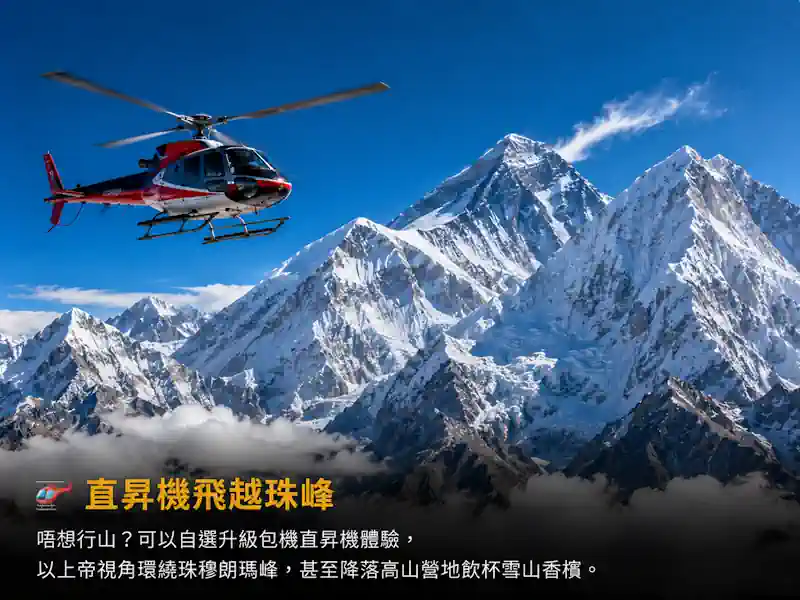
🚁 Helicopter Flight Over Everest

Not a fan of trekking? You can opt for a chartered helicopter experience, circling Mount Everest from a bird's-eye view, and even landing at an alpine camp for a glass of champagne in the snow.

加德滿都文化遺產

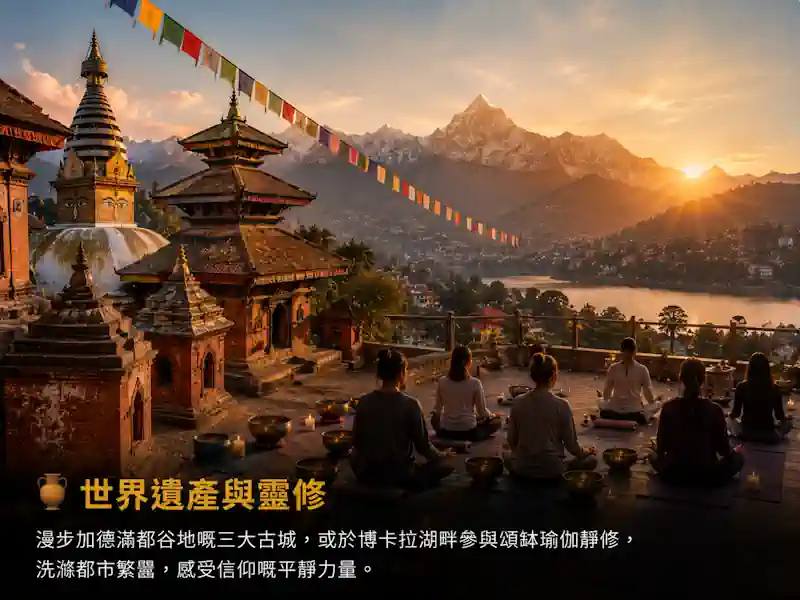
🏺 World Heritage & Spiritual Retreats

Stroll through the three ancient cities of the Kathmandu Valley, or join a singing bowl yoga retreat by the lake in Pokhara. Wash away the city's hustle and bustle and feel the calming power of faith.

TRAVEL MAMA Nepal Exclusive Tips

🛂 Hassle-Free Visa on Arrival

HKSAR, Macao SAR, and BNO passport holders require a visa for Nepal, but it's incredibly convenient. You can easily apply for a "Visa on Arrival" at Kathmandu Airport. Remember to bring around 30-50 USD in cash and a passport-sized photo with a white background!

🚁 "Helicopter Rescue" Travel Insurance is a Must

If your itinerary involves high-altitude trekking (like ABC/EBC), we strongly recommend purchasing travel insurance that covers "Emergency Helicopter Medical Evacuation" before departure! Altitude sickness is not to be taken lightly

⛰️ Preventing Altitude Sickness (AMS)

When trekking, remember to "walk slowly, drink plenty of water, and don't rush." Our professional guides will constantly monitor everyone's condition. We recommend consulting a doctor before your trip and bringing altitude sickness medication (e.g., Diamox) just in case.

🍛 The Magic of Dal Bhat Power

Nepal's national dish, "Dal Bhat," consists of lentil soup served with rice and curry. There's a famous saying in the trekking community: "Dal Bhat Power 24 Hour!" You can usually get unlimited rice refills, making it the absolute best choice for replenishing your energy on the mountain!

🔌 Prepare for "Pay-Per-Use" on the Mountain

When staying in high-altitude Tea Houses, resources become more precious the higher you go. You usually have to pay extra for hot showers, phone charging, and even Wi-Fi. We suggest bringing a high-capacity power bank and plenty of local cash.

💵 Bring USD for Smooth Transactions

Nepalese Rupees (NPR) are hard to exchange in Hong Kong. We recommend bringing crisp, undamaged, large-denomination US Dollars (USD) and exchanging them at money changers in the Thamel district for the best rates!

Why Choose the Annapurna Base Camp (ABC) Trek?

The Annapurna Base Camp (ABC) Trek is Nepal's most classic and popular high-altitude panoramic route. This 12-day customizable itinerary takes you straight to the base camp (altitude 4,130m / 13,549ft) of the world's 10th highest peak, Annapurna I (8,091m). Starting from the subtropical scenery of Pokhara, the total round-trip trekking distance is approximately 98 kilometers (60 miles). You will wander through dense rhododendron forests and magnificent alpine meadows, deeply explore the traditional villages of the Gurung and Magar people, and experience the most awe-inspiring snowy mountain panoramas and authentic local hospitality.

🗓️ The Himalayan Seasons: Best Time to Trek

🌸 Spring (March, April, May) • Prime Time

The trails are captivating with blooming rhododendrons, pleasant weather, and clear mountain views. The moderate temperatures make for a highly comfortable trek, offering a paradise for photographers and nature lovers alike.

🍂 Autumn (September, October, November) • Prime Time

Autumn features crystal-clear skies, providing breathtaking mountain vistas and highly stable trekking conditions. It is the most popular and reliable season for this base camp pilgrimage.

❄️ Winter (December, January, February) • Magical Wonderland

Want to escape the crowds and enjoy solitude with nature? The snow-covered trails transform into a magical wonderland. However, the extreme cold, snowfall, and closure of high-altitude tea houses pose a significant challenge for most.

🌧️ Summer / Monsoon (June, July, August) • Not Recommended

Trekking during this season is affected by frequent rain, unpredictable weather, and obstructed views. More troublesome is the likelihood of encountering leeches on the trail. We generally do not recommend visiting at this time.

🏡 Mountain Living: On-Trail Services & Facilities

🛏️ Accommodation Standards

In the developed city of Pokhara, you will stay in standard hotels. During the trek, you will lodge in high-altitude Tea Houses, which offer simple twin-bed rooms. Some lower-altitude locations feature private bathrooms, while higher-altitude areas require shared bathrooms, all embracing a rustic and simple style.

🍛 Organic Meals & Hydration Tips

We provide three meals a day, chosen from the Tea House menus. While mountain food isn't as refined as in the city, ingredients are largely grown locally. We highly recommend trying the authentic "Dal Bhat" organic lentil rice! Tea Houses sell safe drinking water, but prices rise with altitude. We suggest bringing water purification tablets or a filter to save money and reduce plastic waste.

⚡ Note on High-Altitude Paid Facilities

As altitude increases, resources become extremely limited. Tea Houses provide a basic blanket and pillow (our company supplies extra thermal sleeping bags). Please note: if you need extra blankets, Wi-Fi, hot showers, or to charge your phone and camera batteries, mountain Tea Houses usually require an extra fee.

🥾 Trekking Difficulty & Physical Training

The ABC trek is classified as[Moderate] difficulty,perfect for beginner hikers with a reasonable level of fitness. No technical climbing experience is required. You will walk about 5 to 7 hours a day, with a cumulative elevation gain of 2,000 to 3,000 meters, reaching a maximum altitude of 4,130 meters at the base camp.

🏋️‍♂️ Recommended Training:Prior to departure, engage in regular cardio, strength training, or simulated hikes to build endurance. More importantly, maintain a positive mindset to adapt to basic mountain accommodations and unpredictable weather.

🎒 Professional Mountaineering Gear List

Proper gear is essential for the mountains. Aside from theprofessional sleeping bagsprovided by our company for every member, you must prepare the following:

  • Well-fitted, sturdy high-top hiking boots
  • Warm layered clothing (moisture-wicking base layers, thermal mid-layers)
  • High-quality windproof and waterproof down jacket
  • Professional trekking poles (effectively reduces knee strain)
  • Water purification tablets, sunscreen, UV-protection sunglasses, and a personal first-aid/medication kit

⚠️ Must-Haves: Trekking Permits & Alpine Travel Insurance

1. Two Essential Permits:Entering the conservation area requires an "Annapurna Conservation Area Project (ACAP)" permit and a "Trekkers' Information Management System (TIMS) Card" for safety tracking.
2. Mandatory Emergency Helicopter Insurance:Due to limited medical facilities at high altitudes,you must purchaseprofessional travel insurance covering "Emergency Medical Evacuation (including Helicopter Rescue)" before departure! This can be costly but is absolutely vital in critical moments.

💬 ABC Base Camp Core FAQ

Q: What is the altitude and distance of the Annapurna Base Camp (ABC) trek?

The highest point, Base Camp, is at an altitude of 4,130 meters (13,549 feet). The total round-trip trekking distance starting from Pokhara is approximately 98 kilometers (60 miles), typically taking 7 to 12 days to complete.

Q: Is there a risk of Acute Mountain Sickness (AMS)? How can I prevent it?

There is a moderate risk of AMS during the trek. Reaching 4,130 meters can trigger mild acute mountain sickness symptoms. The core prevention rule is "Walk slowly, drink plenty of water, and stay hydrated." Our professional guides constantly monitor everyone's condition. We recommend consulting a doctor before departure and carrying Diamox.

Can I trek to ABC Base Camp alone?

The ABC route is relatively safe for solo trekkers. However, we strongly recommend hiring a professional guide or porters. Besides ensuring safe navigation, having a porter carry your luggage allows you to focus your energy on altitude acclimatization.