

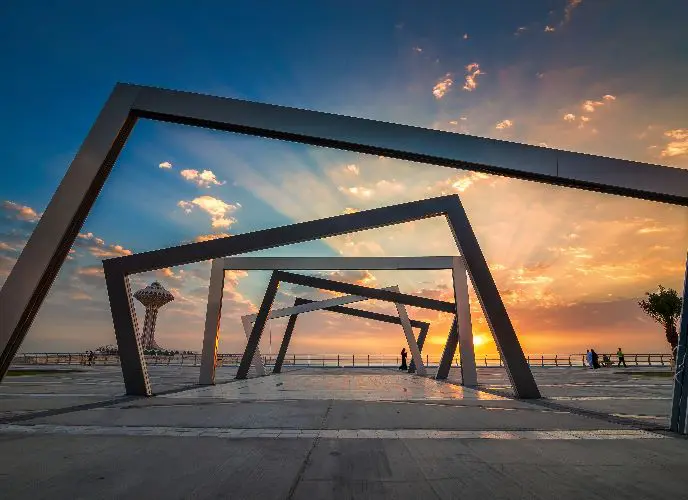
Saudi Arabia is a country full of surprises and charm, boasting not only abundant oil resources but also diverse cultures and natural landscapes. From deserts to coastlines, from ancient to modern times, Saudi Arabia has much to offer. To attract more tourists, Saudi Arabia began issuing tourist visas in 2019, allowing easy entry for travelers from 49 countries (including Hong Kong). Women can also travel freely without adhering to strict dress codes. If you wish to experience the charm of Saudi Arabia, please refer to the following travel tips:
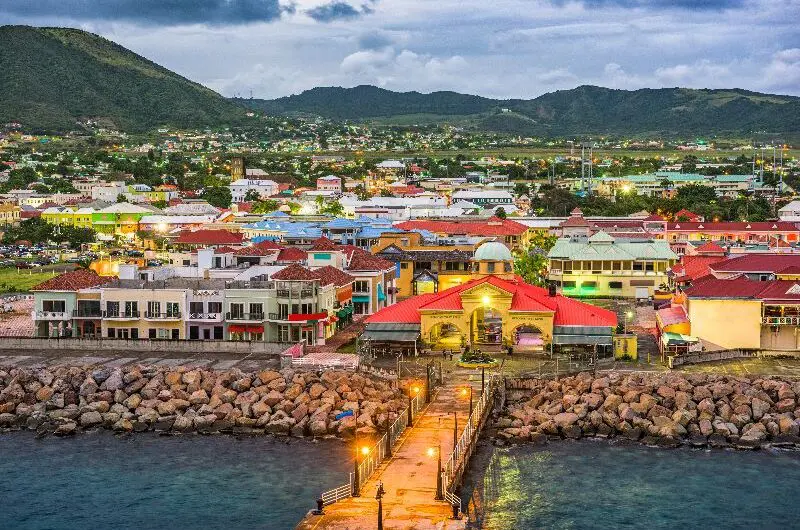
Saint Kitts and Nevis
Saint Kitts and Nevis Travel Guide
Saint Kitts and Nevis may be unfamiliar to many, or even unheard of! Let me introduce this warm and beautiful country. Since its borders opened to tourism, interested travelers should consider taking the opportunity to visit. Standing atop the hill in Bastille, the capital of the Federation of Saint Kitts and Nevis, located in the Leeward Islands of the Lesser Antilles in the eastern Caribbean Sea, the night view is breathtaking. Because its shape resembles an exclamation mark and it is situated among many small islands, it is also known as the "Pearl of the Lesser Antilles." Saint Kitts and Nevis is a very small country, but it boasts a rich and diverse culture and natural resources. Here, you can admire magnificent beaches, crystal-clear waters, diverse flora and fauna, beautiful architecture, and the warm and friendly locals. In addition, there are many historical sites and museums that allow you to gain a deeper understanding of the history and culture of this beautiful country.
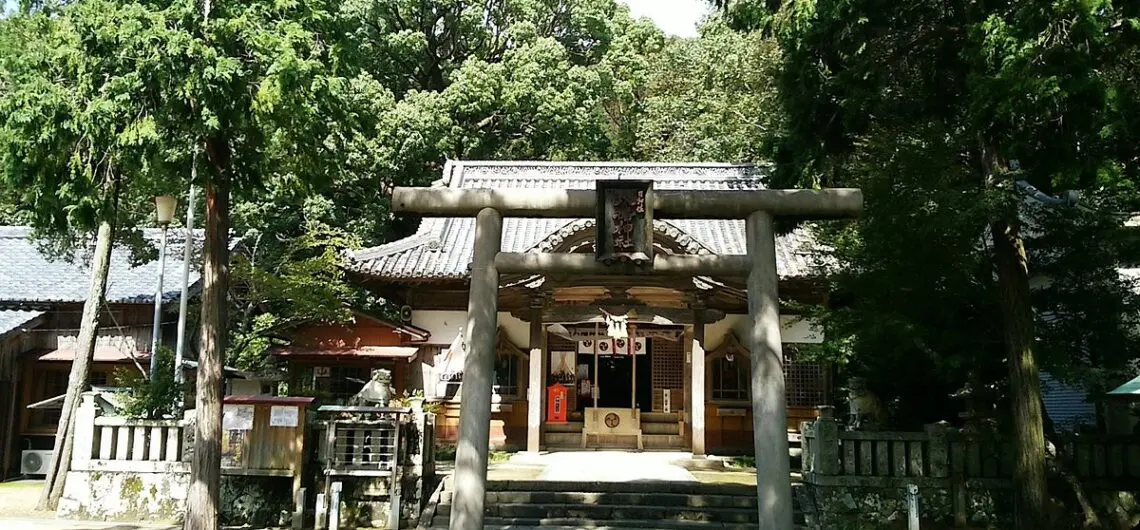
In this small town in Tokushima Prefecture, Japan, red sea turtles come to the coast of Ohama every year to lay their eggs. And right next to this beach is a historic shrine ⛩ called "Hiwasa Hachiman Shrine"! ✨ It was founded by the empress of Emperor Jimmu and is a shrine full of tradition and mystery.

Taipei is a food paradise, boasting not only mouthwatering delicacies but also a wealth of unique souvenirs worth mentioning. Below are ten Taipei souvenirs compiled for you to consider buying as gifts for your next trip to Taipei, to share with family and friends.
Xiangshuai Cake – Classic Taro Roll
Those who love taro absolutely cannot miss Xiang Shuai Cake's classic taro cake roll! It uses Taiwanese taro to make a rich and fragrant taro filling, and the outer layer is a fresh and soft cake roll. The dense taro filling fills every bite, making it an unforgettable experience.
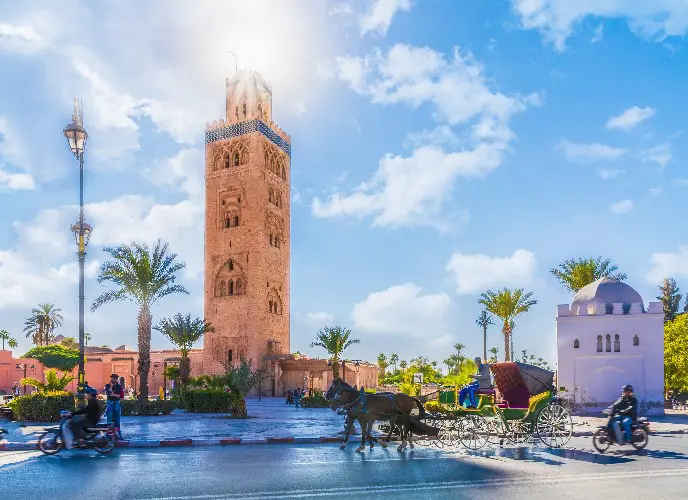
Have you ever thought about traveling to Morocco? This country in North Africa boasts a rich culture, history, and natural landscapes that are truly breathtaking. I recently had the opportunity to participate in an eight-day, seven-night trip... Morocco Trip Let me share my experience and thoughts with you!
Day 1: HOMETOWN ✈ CASABLANCA - CITY TOUR - RABAT (Dinner)
Today I want to share my recent trip to Morocco with you. It was a wonderful and unforgettable experience, allowing me to see different cultures and landscapes. I hope you can share in my excitement and joy. I flew from Hong Kong to Casablanca, Morocco's largest city and economic center, and also the filming location for the movie "Casablanca." At the airport, I met my tour guide and fellow travelers; everyone was very friendly and welcoming. We first toured downtown Casablanca, seeing Mohammed V Square, the Royal Palace, the Basilica of the Immaculate Conception, the Central Market, and the Hassan II Mosque. These places were magnificent and beautiful, giving me a preliminary understanding of Moroccan history and culture. The Hassan II Mosque, in particular, is one of the largest mosques in the world, built on the Atlantic coast, with a 210-meter-high minaret that emits the sound of prayer. The interior of the mosque is ornately decorated with exquisite mosaics, wood carvings, and stained glass. We spent some time inside the mosque before traveling to Rabat, the capital of Morocco. After arriving in Rabat, we had a hearty dinner and then checked into our hotel to rest.
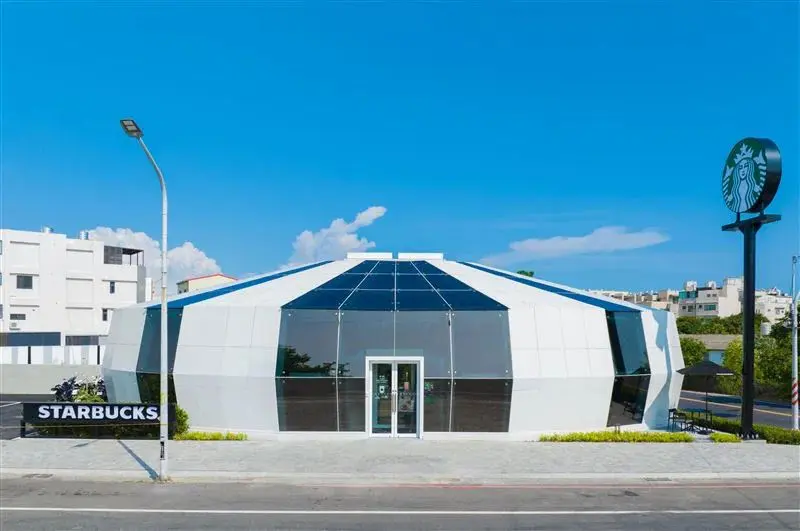
Tainan Starbucks: Tainan is a city steeped in history and culture, boasting a wealth of traditional cuisine and distinctive architecture. Recently, a brand new Starbucks store opened in Madou District, Tainan, with its exterior and interior design showcasing a strong local cultural character.
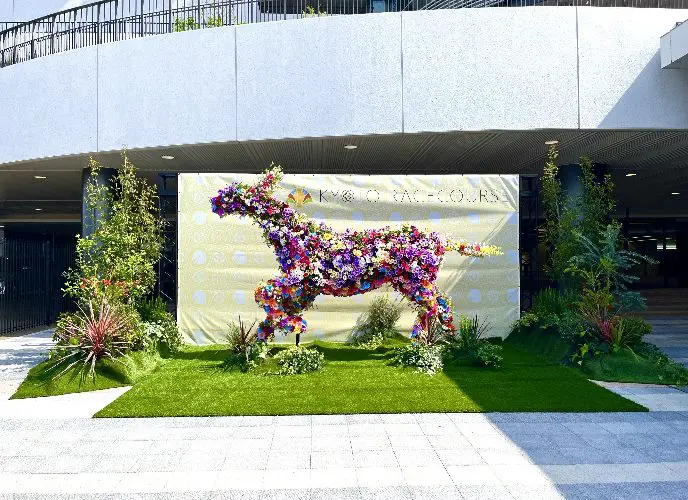
Kyoto Racecourse: If you're a horse racing enthusiast, you absolutely cannot miss Kyoto Racecourse in Japan. It's one of the main racecourses of the Japan Racing Association (JRA) and hosts many important races, such as the Kikuka Sho, Akika Sho, and Queen's Cup. Beyond its high-level races, Kyoto Racecourse offers many other attractive features, ensuring a fun and surprising horse racing experience.
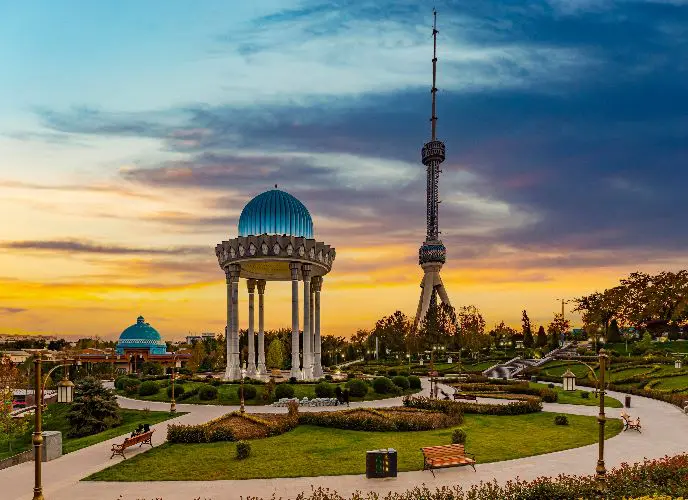
Uzbekistan Tourism
Have you ever traveled to Uzbekistan? If not, you're missing out on a fun and beautiful place. Located in...Central Asian inlandUzbekistan is a country largely unknown to most people, and it is also one of only two doubly landlocked countries in the world. It was once a vital stop on the Eurasian Silk Road, was ruled by the Mongol Empire, and was also part of the Soviet Union until it officially gained independence in 1991.
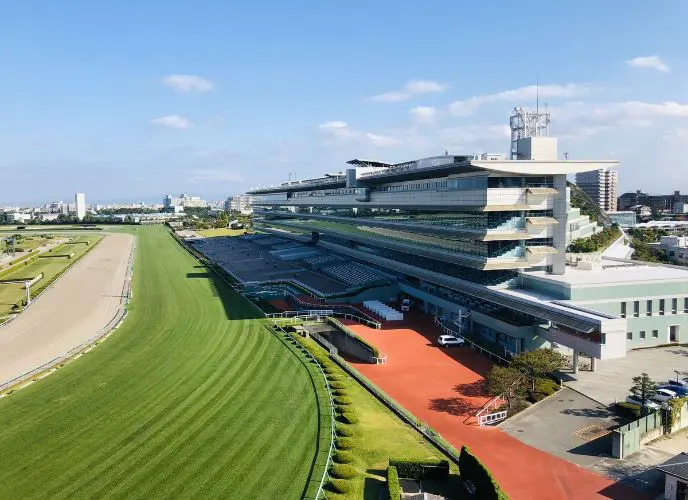
Hanshin Racecourse: If you ask me what my favorite place is, without hesitation, I'll tell you: Hanshin Racecourse! It's a must-visit for every horse racing enthusiast, whether you're a beginner or a seasoned pro, it will satisfy your passion. First, let me introduce this place. Located in Nishinomiya City, Hyogo Prefecture, Japan, Hanshin Racecourse is a racecourse with a 135-year history. It's one of Japan's most famous racecourses, attracting many horse racing fans and tourists alike.
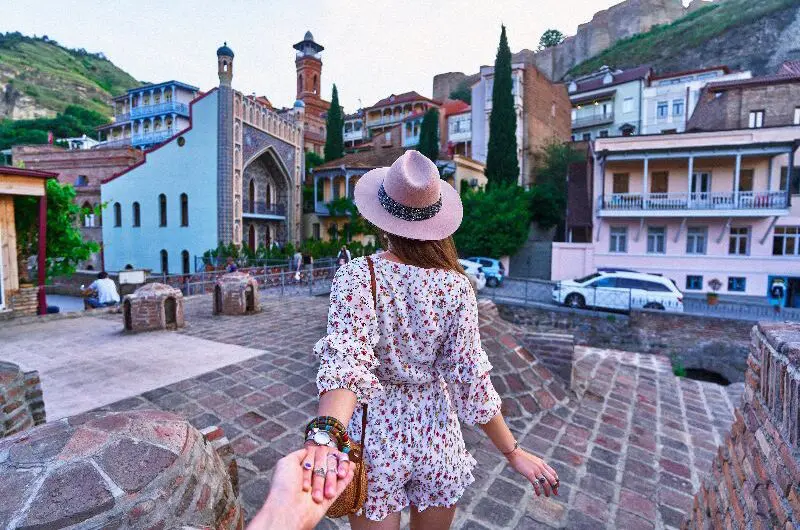
Georgia Private Tour
Georgia small group tours are a travel option you may not have heard of. But I can guarantee that you will fall in love with the beauty and diversity of this country after you go. Today, I'll share my trip to Georgia with you, hoping to inspire your travel ideas.
Georgia is a country located at the intersection of Europe and Asia, with a rich history and culture. Its capital is Tbilisi, a vibrant and modern city. Our small group tour starts from Tbilisi and visits many famous attractions along the way, such as: