

In-depth travel guide to Mogami area, Yamagata Prefecture | Mogami Travel Guide
Yamagata Prefecture, located in the Tohoku region of Japan, boasts abundant natural scenery and a rich history and culture. The Mogami area is particularly renowned for its well-preserved pristine natural landscapes and traditional culture. With a forest coverage of 80%, the Mogami River, one of Japan's three major rapids, flows through the region. Its banks are dotted with waterfalls, rice terraces, ancient castles, and festivals, weaving together a tapestry of breathtaking scenery with its distinct four seasons. This article will take you into this pristine land, uncovering six popular attractions and hidden gems in Mogami.
Mogami Gorge Basho Line Boat Tour: A poetic drifting experience suitable for all seasons.
The most direct way to get close to the Mogami River is by taking the "Mogami Gorge Basho Line" sightseeing boat. This sightseeing route departs from Tozawa Village and sails downstream, immersing tourists in the magnificent mountain scenery and clear waters on both sides. In particular, the boatmen will sing traditional boat songs while rowing, adding a poetic and human touch to the journey.
Summer brings cool breezes, while autumn transforms the landscape into a tapestry of red and yellow maple leaves. From December to the end of March, winter offers the chance to board a specially designed "kotatsu boat," where you can enjoy a hot bento box while admiring the snowscape in a cabin furnished with a heated table and blankets – a unique "snowy boat tour." This is not only a representative sightseeing tour of Mogami, but also a deeply memorable experience.
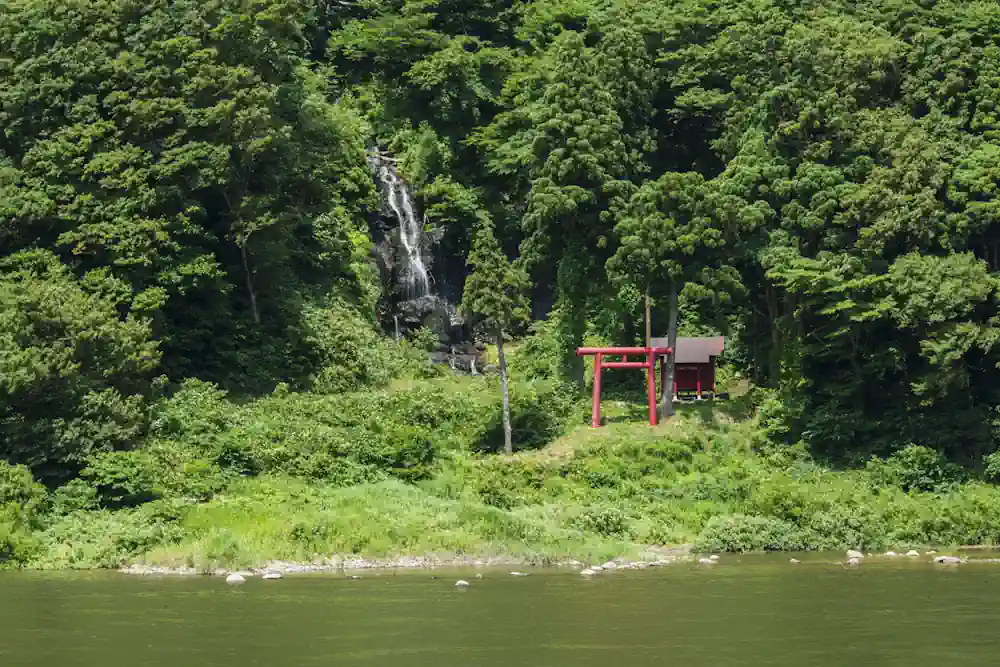
Baishi Waterfall: A picturesque waterfall
Shiraito Falls, hailed as one of Japan's 100 best waterfalls, is nestled in a valley along the banks of the Mogami River. The falls cascade down from the high ground, resembling thin white silk threads draped over the mountains, hence its name. Autumn is the best time to visit, when the vibrant red maple leaves and the cascading water create a scene reminiscent of a landscape painting.
Visitors can stop at the "Baishi Falls Rest Stop" to enjoy panoramic views of the falls from the observation deck and savor local delicacies at the restaurant. The rest stop is well-equipped and also sells souvenirs, making it a popular spot for travelers by car.
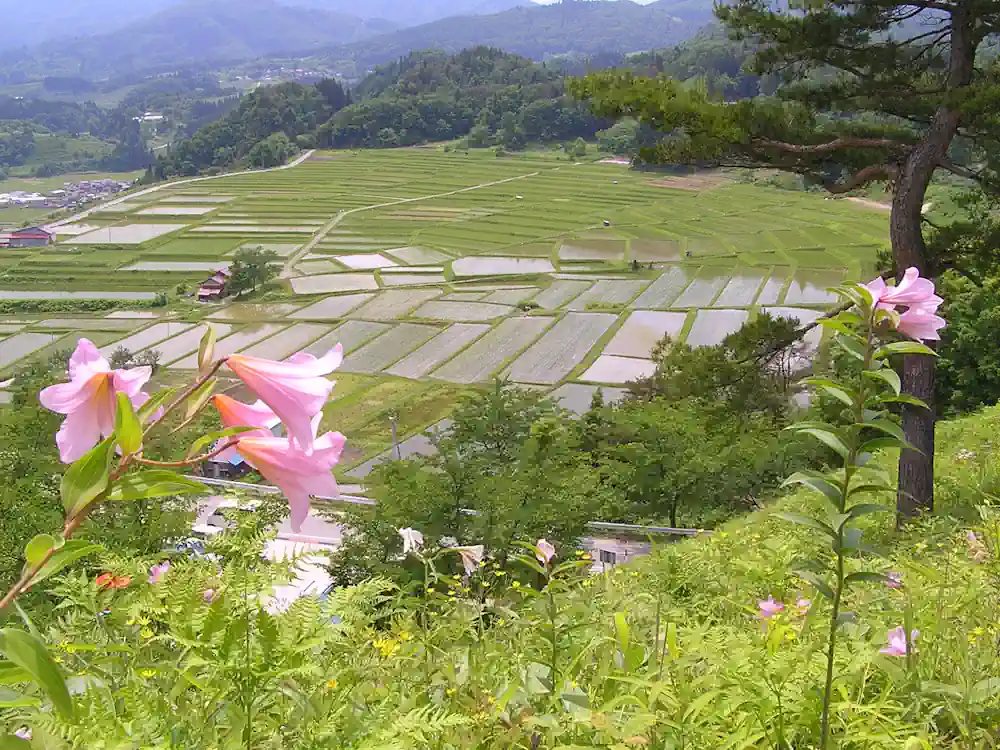
Sicun Terraced Fields: The largest and most spectacular terraced field landscape in Northeast China
Nestled in the mountains of Ōkura Village, the "Four Villages Terraced Fields" span four areas: Toyōmaki, Takinosawa, Numanodai, and Hirabayashi, covering a total area of 120 hectares. They are renowned as one of the most spectacular terraced fields in the Tohoku region. Selected as one of Japan's "100 Greatest Terraced Fields," they are considered a microcosm of Japan's original rural landscape.
The terraced fields offer different charms in each season: shimmering after being irrigated in spring, verdant in summer, golden and bountiful in autumn, and blanketed in snow in winter, creating a picturesque scene. The rice produced in these terraced fields is also exceptionally sweet due to the irrigation from underground streams, making it one of the prides of the region.
Xinzhuang City Site and Zuishang Park: A Fusion of History and Nature
In 1625, Tozawa Masamori established Shinsho Castle, which served as the center of the Shinsho Domain's government for 243 years. Although the castle walls were destroyed in the Meiji Restoration, the moat and stone walls remain to this day. The site has now been transformed into "Mogami Park," attracting a large number of tourists to enjoy the cherry blossoms in spring.
The park enshrines Tozawa Shrine and other historical shrines, making a stroll through it feel like traveling through a time tunnel. Every spring, a "Grilled Herring Festival" is held, where people grill fish and enjoy delicious food under cherry blossom trees, creating a unique festival scene in the Mogami region.
Shinjo Festival: A UNESCO-certified cultural heritage
The Shinjo Festival, a three-day summer extravaganza with a history of over 270 years, is held annually from August 24th to 26th. Since 2016, it has been listed as a UNESCO Intangible Cultural Heritage. The festival's highlight is a parade of 20 handcrafted floats by local residents, depicting historical legends, Noh plays, and Kabuki themes, illuminated at night for a visually stunning spectacle.
Unlike commercialized festivals, the Shinjo Festival retains a strong local flavor and is one of the festivals that best showcases Tohoku culture. If you want to experience the charm of traditional Japanese festivals, you absolutely cannot miss it.
Daizo Wasabi Experience: A Professional Experience from Spring Water to Table
The "Snow Sunflower" wasabi from Dazang Village is a local specialty agricultural product, grown without pesticides and nurtured using the snowmelt water from Mount Yueshan. By reservation, visitors can participate in a tour of the "Wasabi House" and experience wasabi processing, making wasabi soy sauce and enjoying wasabi cuisine, a local experience that satisfies all five senses.
Here you can not only learn about the dedication to agriculture in Japanese mountain villages, but also taste delicacies prepared with natural ingredients. A winter visit is especially recommended; experiencing the fragrance of wasabi amidst the snow-covered landscape offers a rare moment of tranquility during your trip.
The Mogami region of Yamagata Prefecture, a treasure trove of nature and history, experiences and culture, is best enjoyed at a leisurely pace. Whether it's taking a boat trip through canyons, gazing at waterfalls, wandering through rice terraces, participating in traditional festivals, or making your own wasabi soy sauce, every experience captures the vitality and genuine warmth of the Tohoku region. On your next trip to Japan, consider adding Mogami to your itinerary for a journey that resonates with nature and human kindness!