
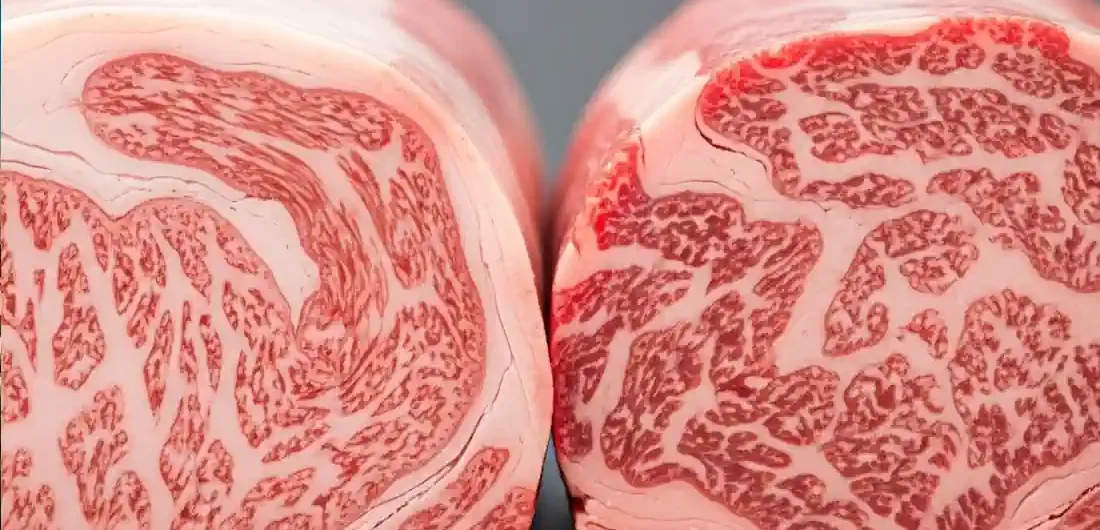
[Wagyu vs. Domestic Beef] The Japanese's Most Serious Beef Battle | Three Classic Ways of Eating and Restaurant Recommendations
The term "Wagyu" is quite familiar to Hong Kong people. In high-end restaurants in Japan, Hong Kong, and even around the world, these two words are synonymous with high quality and luxury. But is Wagyu really the same as domestically produced beef from Japan? The answer is: no.
Strictly speaking, "Wagyu" refers to only four purebred cattle breeds: Japanese Black Wagyu, Japanese Brown Wagyu, Japanese Polled Wagyu, and Japanese Shorthorn Wagyu. To be officially certified as "Wagyu," it not only needs to come from a prestigious lineage but also requires generations of careful breeding and management; it's not enough for just any animal to be born and raised in Japan. The Kobe beef and Matsusaka beef that you're most familiar with actually both come from Japanese Black Wagyu—which dominates the 90% of the Japanese Wagyu market.
So, how do locals eat Wagyu beef? This time, Travel Mama takes you to three authentic and famous restaurants that not only offer delicious food but also a cultural experience. From Kyoto to Tokyo to Kobe, three ways to eat Wagyu beef, three different experiences, to show you what the real taste of Wagyu beef is.
🔥【Grilled Meat】Kyoto Tentan Grilled Meat|Wagyu Beef Doesn't Have to Be Heavy in Flavor
Kyoto people eat yakiniku (grilled pork) in a very different way. You might think yakiniku is just thick slices, heavy soy sauce, and splattered oil? Not at all! It's... Roasted Pork from the Temple of HeavenThey don't use the traditional thick sauce, but instead gently soak each piece of roasted meat in a golden-yellow sauce made from beef bones, which is warm, sweet, and addictive.
Since 1965, the shop has insisted on using its own homemade broth, which is golden and clear. The first bite makes you think, "Wow, this is the first time I've tried such refreshing grilled pork!" It also uses one of the three major Wagyu beef varieties. Omi beef—The meat is so tender that it almost melts in your mouth.
While eating, you can look at the stove, listen to the sizzling sound of the beef fat, and smell the faint aroma of the gravy. You'll be pleasantly surprised that "roasted pork can be so elegant."
🍲【Sukiyaki】Tokyo Imaiku | 8-year Michelin One-Star Wagyu Beef in a Gentle Hot Pot
Near Shirogane-Takanawa Station in Tokyo, there is a small, exquisite sukiyaki restaurant that is always packed:Jinfu.
Each pot of sukiyaki is like a mini celebration. The special soy sauce broth, which is sweet and salty, is topped with thin slices of Wagyu beef, fresh vegetables, tofu, konjac noodles, etc. After cooking, it is not eaten directly, but first "dipping" it in a raw egg.
Raw eggs? Yes, you might hesitate in Hong Kong, but in Japan, raw eggs are extremely safe. They are smooth and tender, perfectly balancing the meaty aroma and the sweet and salty flavors, making them a truly "blissful taste".
Every day, Jin Fu's chefs personally select the best ribeye cuts, along with seasonal side dishes, resulting in a unique flavor in every pot. Eight years of Michelin stars are not just due to their reputation, but to their unwavering dedication.
🥩【Steak】Kobe Setsugetsu Kari|Top-grade Kobe beef aged for 30 months
If you're a steak lover, then...snowy moon and flowersIt's a must-visit holy site in Kobe.
Kobe beef is more than just famous; its marbling is not only aesthetically pleasing, but its melting point is also lower than that of regular beef fat. So even at room temperature, it melts slowly in your mouth, leaving a rich meaty aroma.
Snow Moon Flower uses Kobe beef, all of which have undergone at least 30 months of feedingThe steak undergoes aging to remove excess moisture, preserving its most authentic flavor and sweetness. Paired with seasonal organic vegetables from Kobe, a single steak becomes an art performance.
Enjoying steak while gazing out the window at the exotic streetscape of Kitano district—this location and this meal are perfect in every way, from taste to visual appeal.
🌸Eating Wagyu beef is not just about the price, it's a cultural experience.
Ultimately, "Wagyu beef" is not just about being "expensive"; it represents the Japanese people's ultimate pursuit of ingredients, details, and flavor. Every way of eating it has its cultural background; every slice of beef has the dedication of the craftsman behind it.
If you're planning a trip to Japan but don't want to just be checking off sushi and ramen spots, why not plan one meal at one of these three restaurants? You'll discover that a piece of beef can be incredibly versatile.